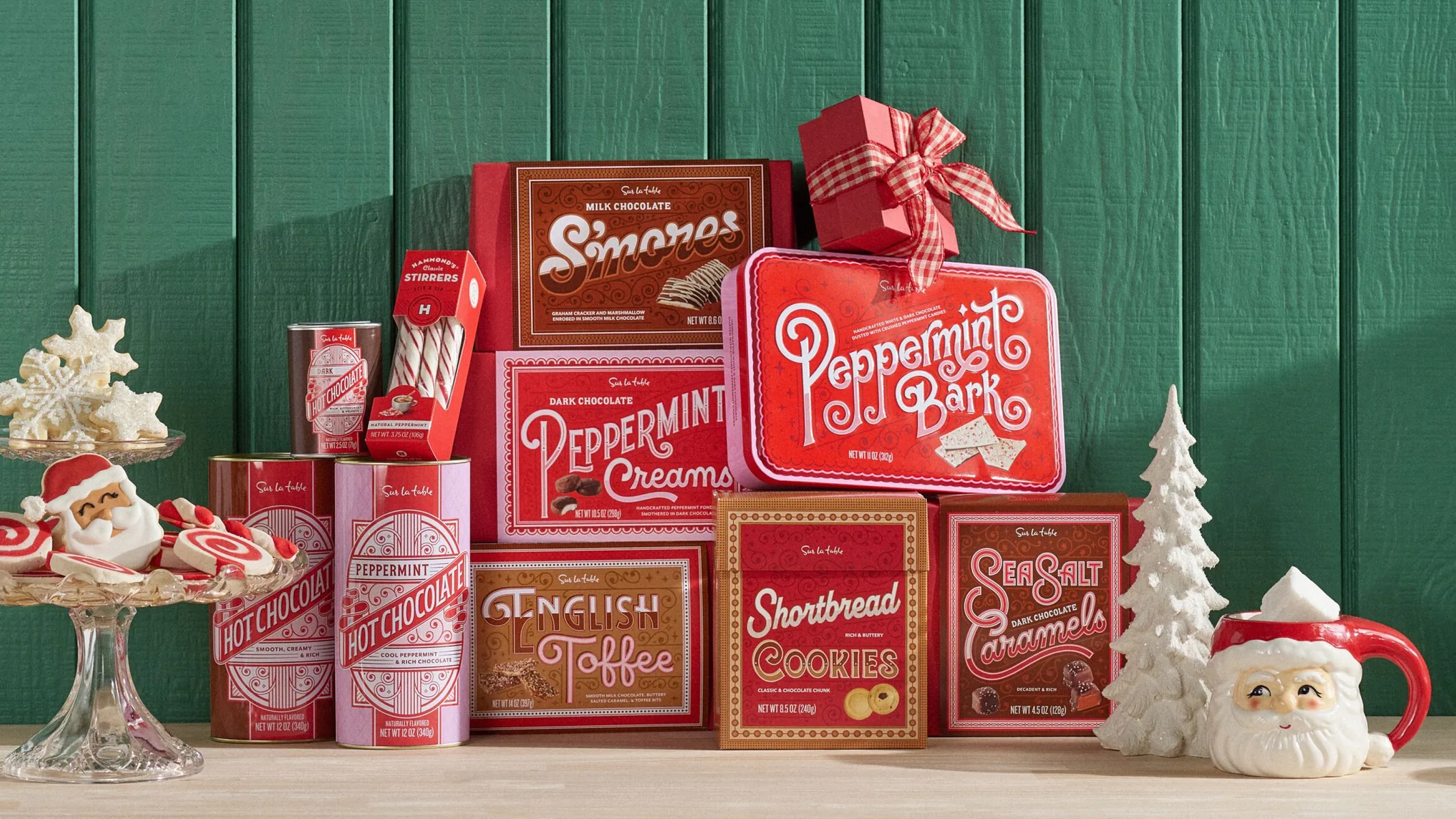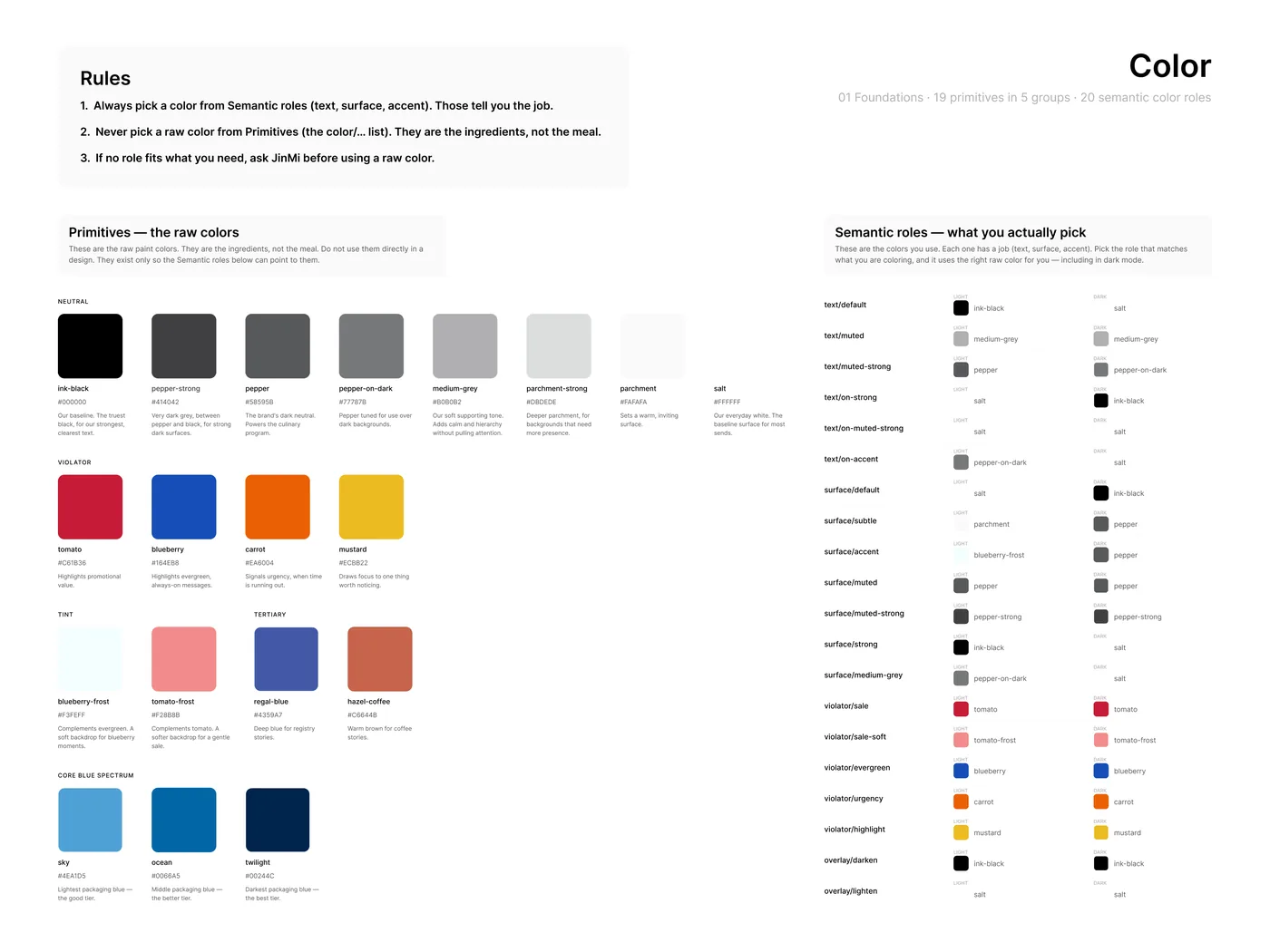
The decision happened before the shoot.
On packaging, a beautiful photograph is not sufficient. The image has a job inside a physical object: earn attention, explain use, show function, or build context around the product.
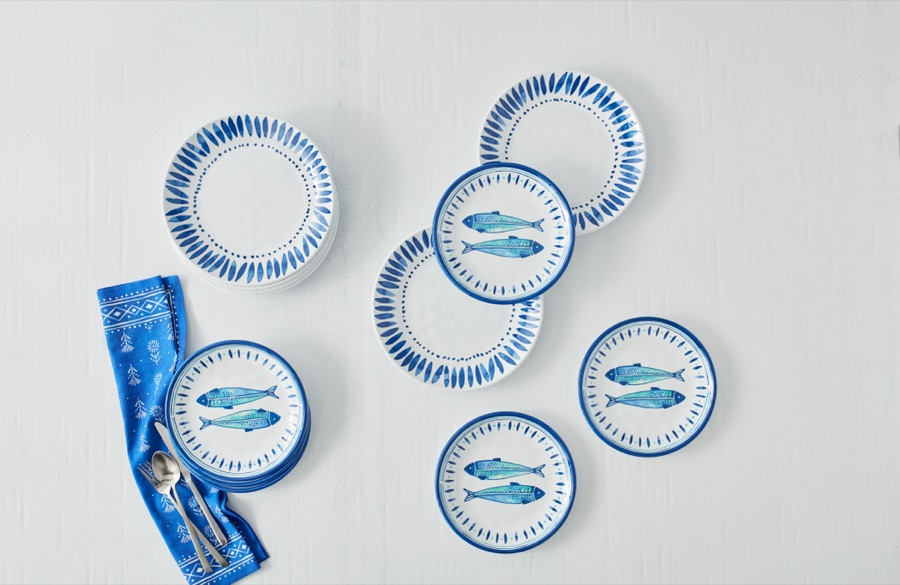
The guidance assigned those jobs in writing, ahead of production. Front panels carry environmental storytelling. Back panels shift to function and process. Overhead and into-camera angles build specific selling views.
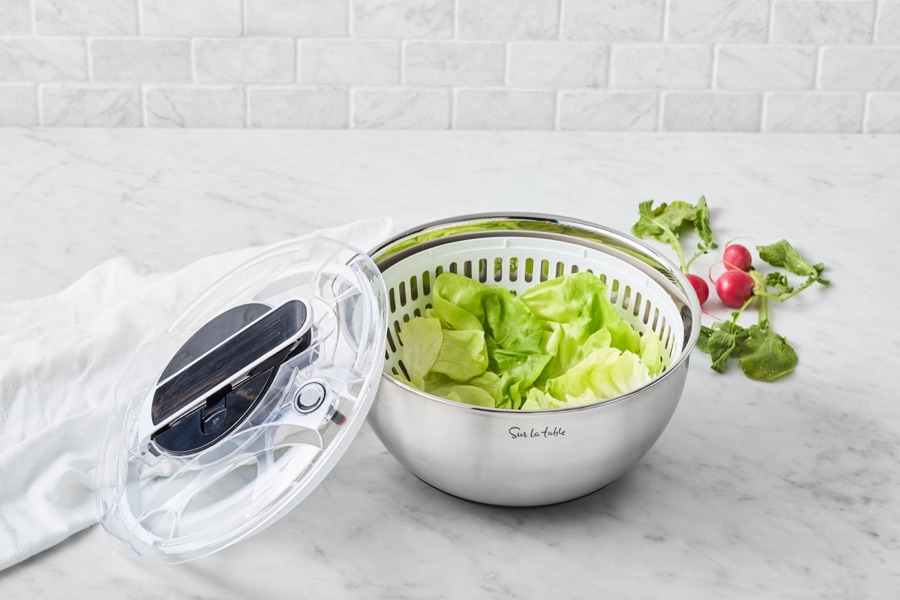
The rule I would point at is the one for transparent packaging: when the customer can already see the product through the window, the photograph stops being responsible for showing it, so the product comes out of the image and is replaced by the food it is used to make. That is a decision about what the image is for, not about how it should look.
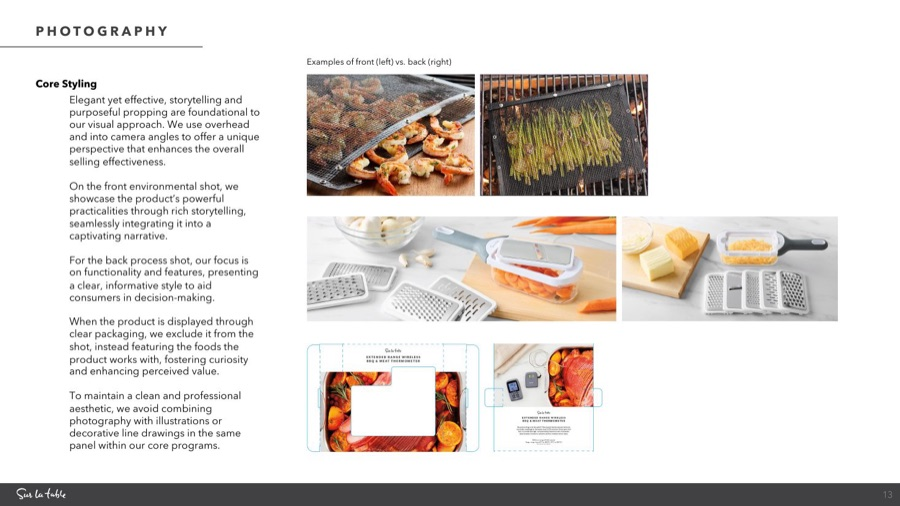
The rule is visible in the files, not just the guide.
Across the reviewed archive, 63 shoot assets follow a naming structure separating product-led from environmental images, and the same SKU appears as a matched pair — product placed in one frame, product removed in the other. That pairing is the written rule enforced at file level rather than described.
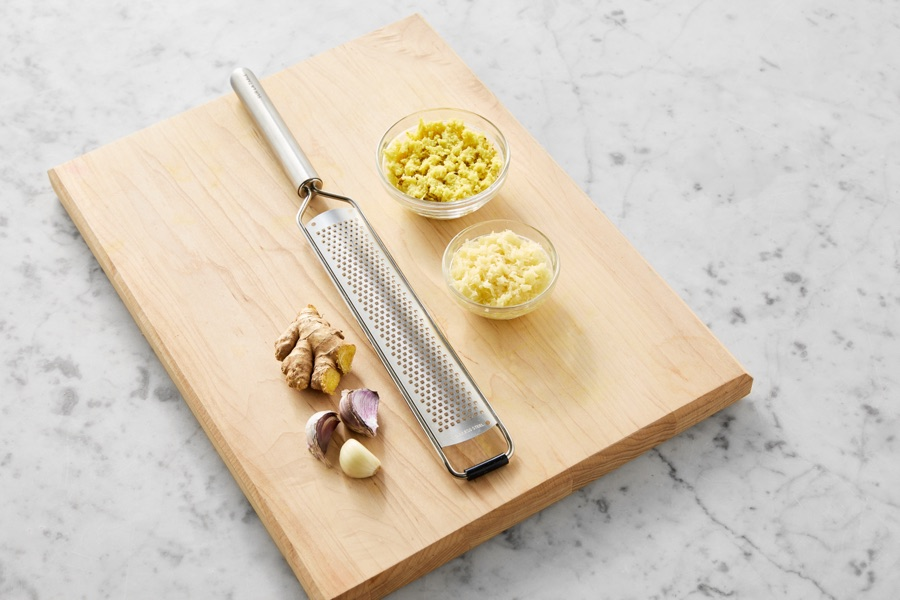
Three recurring backgrounds run through every department: marble, wood board, white tile.
I worked directly with contracted photo agencies on production and creative direction. The broader packaging program operated at roughly 250 SKUs per quarter — volume that belongs to the program, not to a claim that each SKU received its own shoot.



Criteria travel further than approval does.
At that volume, photography drifts into a request queue unless something stops it: shoot the product, return the file, place the image, repeat.
The alternative is to make the creative criteria usable before the work reaches review. Agencies and internal designers then work from the same reference, and approval spends its attention on the images that are genuinely unresolved instead of re-deciding what was already settled.
In the same period I authored the assessment criteria for a print-vendor RFP — the same instinct pointed at who produces the work rather than at the work itself.