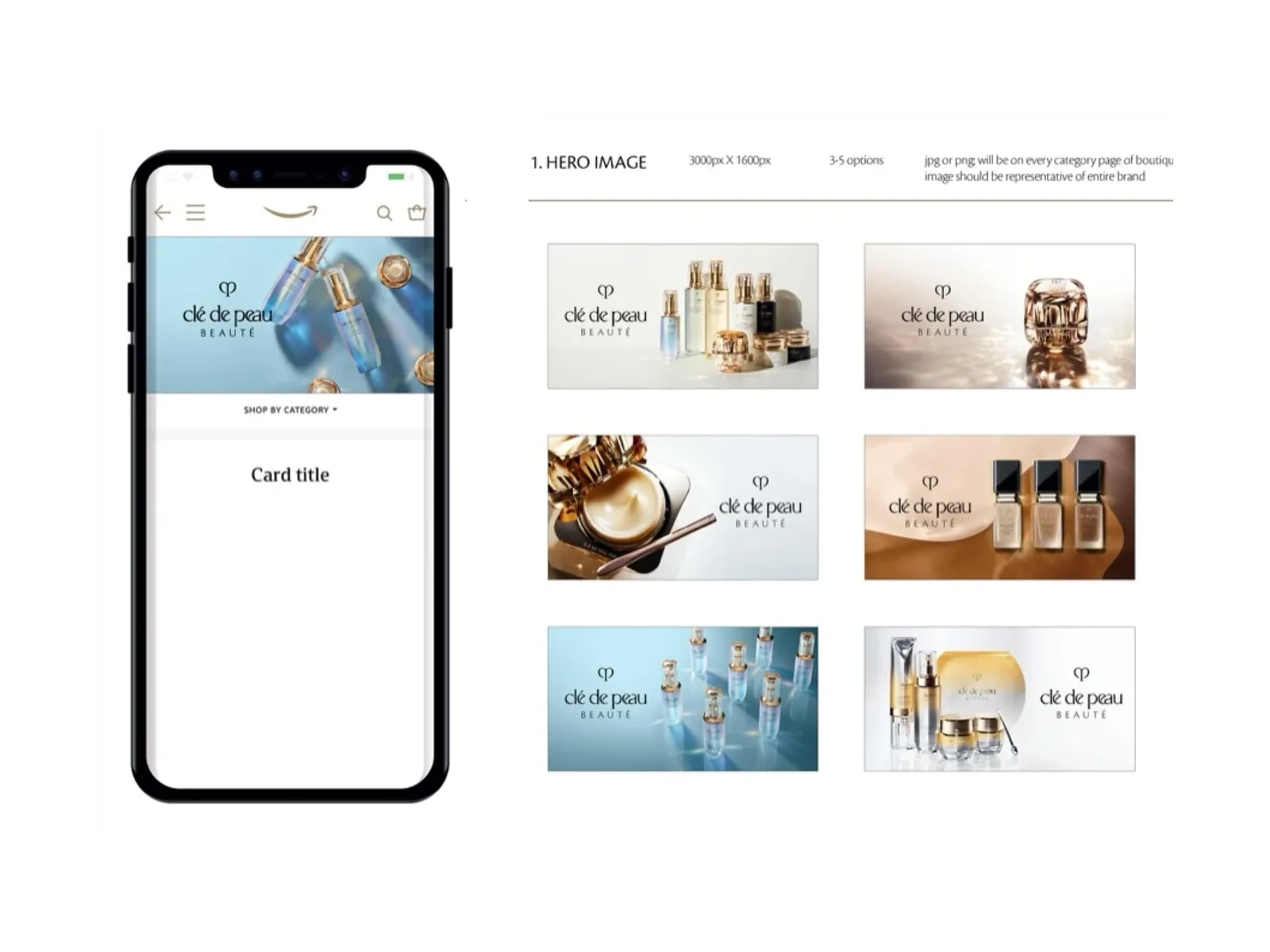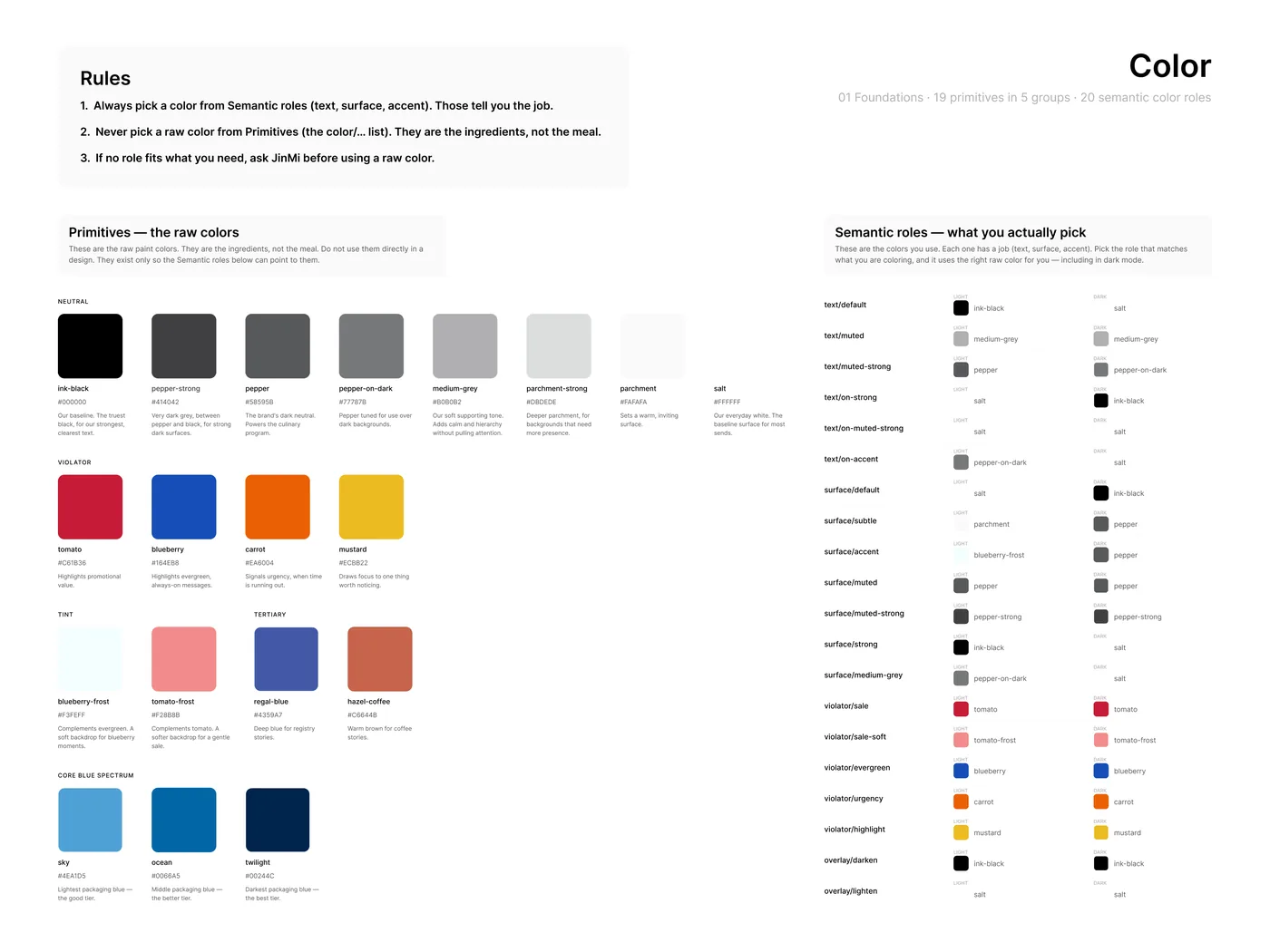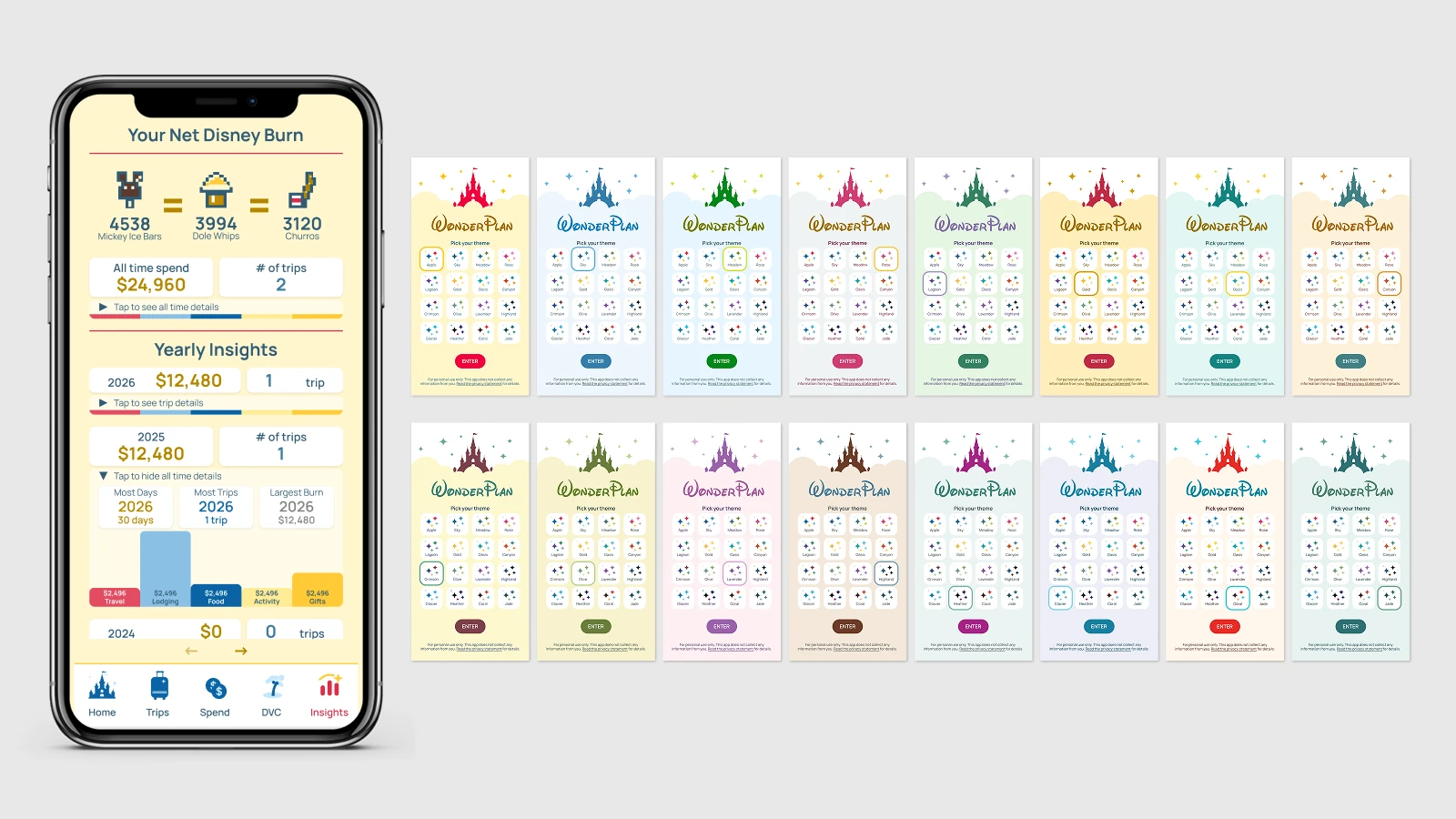
The problem was not a lack of rules.
The brand had visual principles. The inconsistency lived in the gap between a principle and a Tuesday afternoon.
Without functional structure or enough examples, two capable designers could read the same rule differently. People used the last approved file as precedent. A solution that worked in one category migrated into another where the merchandising problem was different.
I did not read that as a reason to write stricter rules. The rules were not the missing part. What was missing was anything that told someone what a rule was for, how to apply it, and where it stopped being useful.
I wrote a standard people could execute.
The document runs 31 pages, organized as creative requirements, packaging components, and then best practice department by department across eleven departments.
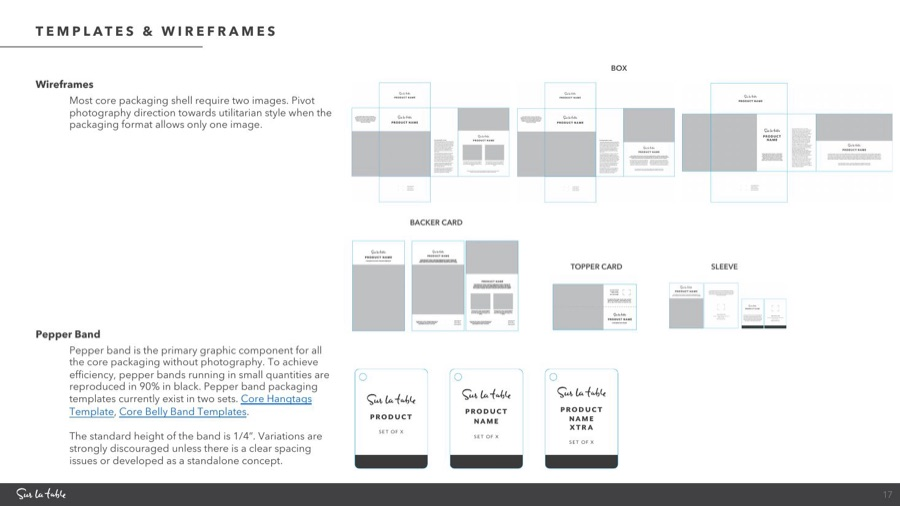
The specifications are deliberately concrete. Product names set in Mr. Eaves Modern Heavy, all caps, plus 120 tracking, leading at size plus two points; secondary information at 70% of the product name; romance copy in Sutro Medium at plus 25 tracking and 140% leading. Color carries functional assignments rather than preferences — the Pepper box marks the upper tier, Sel Gris marks everyday. Spacing derives from a repeatable unit based on the logo's "S" height. The logo has a minimum size of 0.875 inches and a fixed reproduction palette. The Pepper band is fixed at a quarter inch, with a 90% black substitution specified for short runs.
Specificity like that is not bureaucracy. It removes decisions that should not have to be made twice. If logo spacing is resolved, consistency should not depend on who remembers the last approved package.
The standard also ships against a shared Packaging Elements Resources library — a team-maintained set rather than a single locked template — so the rules arrive where production actually happens instead of sitting in a PDF.
I wrote the exceptions in.
Eleven departments cannot be governed honestly by one rigid answer. Knives, cookware, food, BBQ, and barware share a brand and solve different merchandising problems.
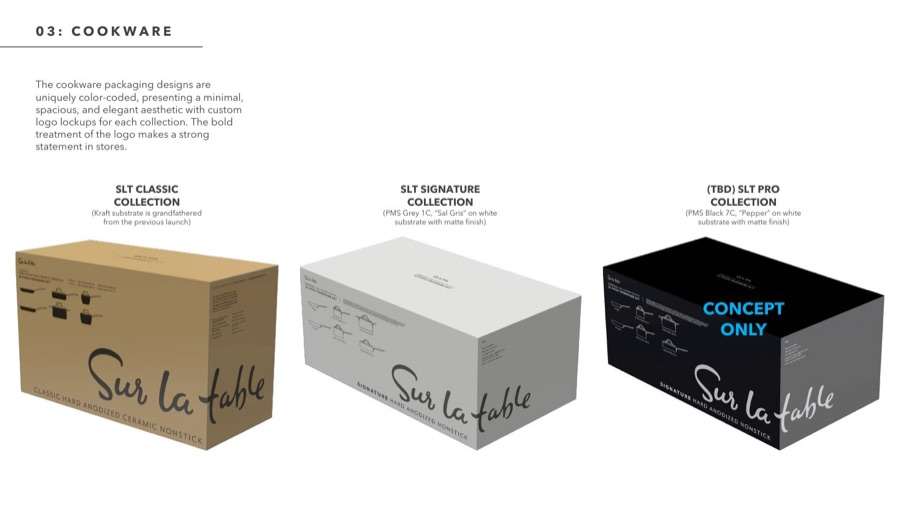
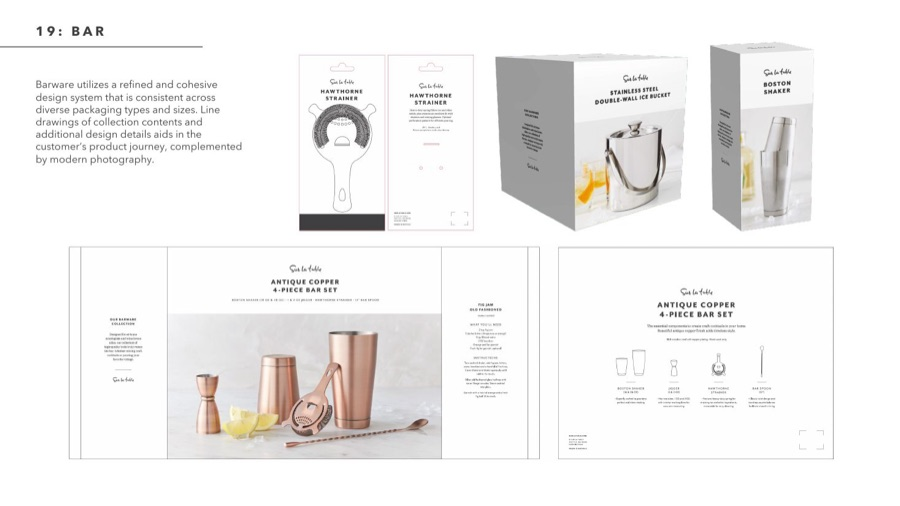
So five departments carry permitted deviations, stated in the standard itself. Knives run a two-tier system. Cookware introduces collection-level color coding. Food is allowed to move furthest outside the core. BBQ enlarges the Pepper element. Bar combines line drawing with photography — which the core system otherwise prohibits.
That last one matters most. A standard that inverts one of its own prohibitions, on the record, with a stated reason, is doing something different from a standard that forbids and hopes.
A standard that forbids everything gets ignored. I wrote the exceptions in.
Writing the deviations into the document also moved them out of the approval queue. A category-level exception that is already permitted does not need to be argued for on a Thursday deadline, and it does not become a precedent nobody can trace.

The packages are the proof.
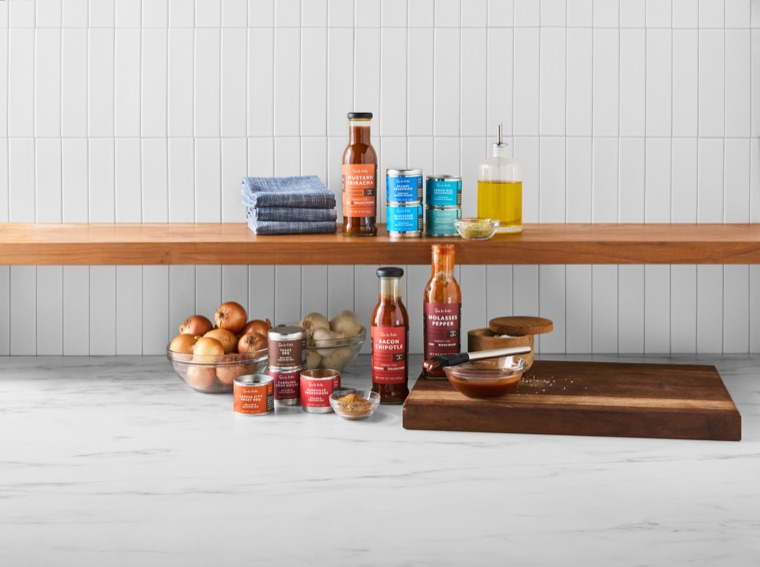
The system went onto real product across holiday confections, jams, BBQ, autumn, and cocktail lines, inside a packaging program averaging roughly 250 SKUs per quarter.
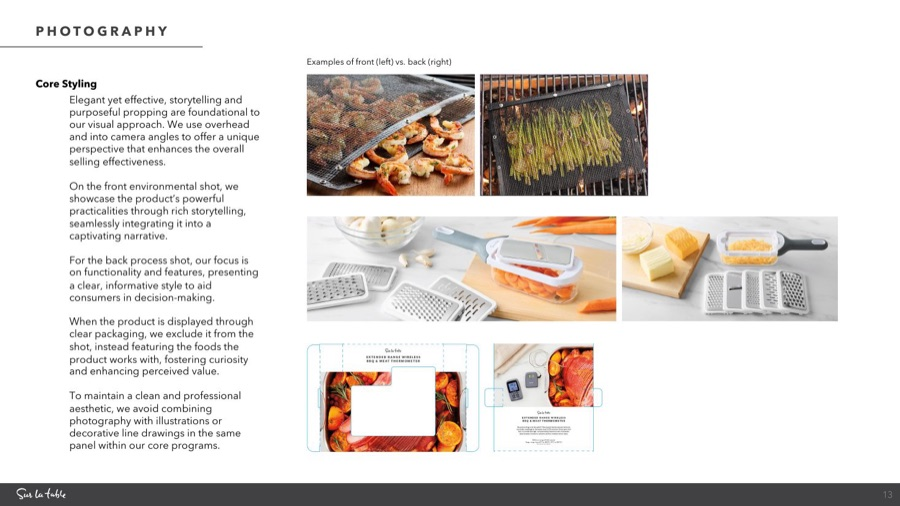
Photography carried defined jobs rather than a house style: front panels do environmental storytelling, back panels shift to function and process. When a package was transparent, the product could come out of the image entirely and be replaced by the food it was for. Agencies and internal designers worked from the same reference, which is what made the volume survivable.





Two years later, my own standard had drifted.
About two years after I authored it, execution had moved off the type system the standard specified, with no formal update recorded anywhere. I found it myself, during a review nobody had asked for.
That is an awkward thing to raise. The author of a standard pointing at deviation reads as a compliance complaint, and compliance complaints lose. So I designed the framing before I built the argument. The slide was titled "Where We Are vs. Where the Guide Says We Should Be," and the instruction I wrote on it for myself was one line: present as data, not opinion.
The goal was not to win the point. It was to make the gap legible enough that the organization could choose — update the standard, correct execution, or accept the drift deliberately. All three are better than an undocumented drift nobody has looked at.
Governance should reduce ambiguity, not possibility.
A useful standard does more than describe what good looks like. It tells the organization what is fixed, what is flexible, and what still needs someone to decide. That distinction is what separates a document from working governance.
The common rules gave designers and production teams a reliable starting point. The department-level direction made category decisions repeatable instead of anecdotal. Review could then spend its time on genuinely open creative questions instead of re-litigating what the standard had already settled.
Scale never came from forcing every situation into the same answer. It came from enough discipline to move efficiently, and enough intentional variation to stay relevant to eleven different problems.