The principle came before the people.
The team was never built on the idea that everyone should be able to do everything. It was built on a narrower constraint: no important production lane should depend on exactly one person.
That is recorded as a design principle ahead of the staffing decisions it produced, and the order is the evidence. Designing for redundancy and then hiring into it is a different act from discovering a gap and patching it.
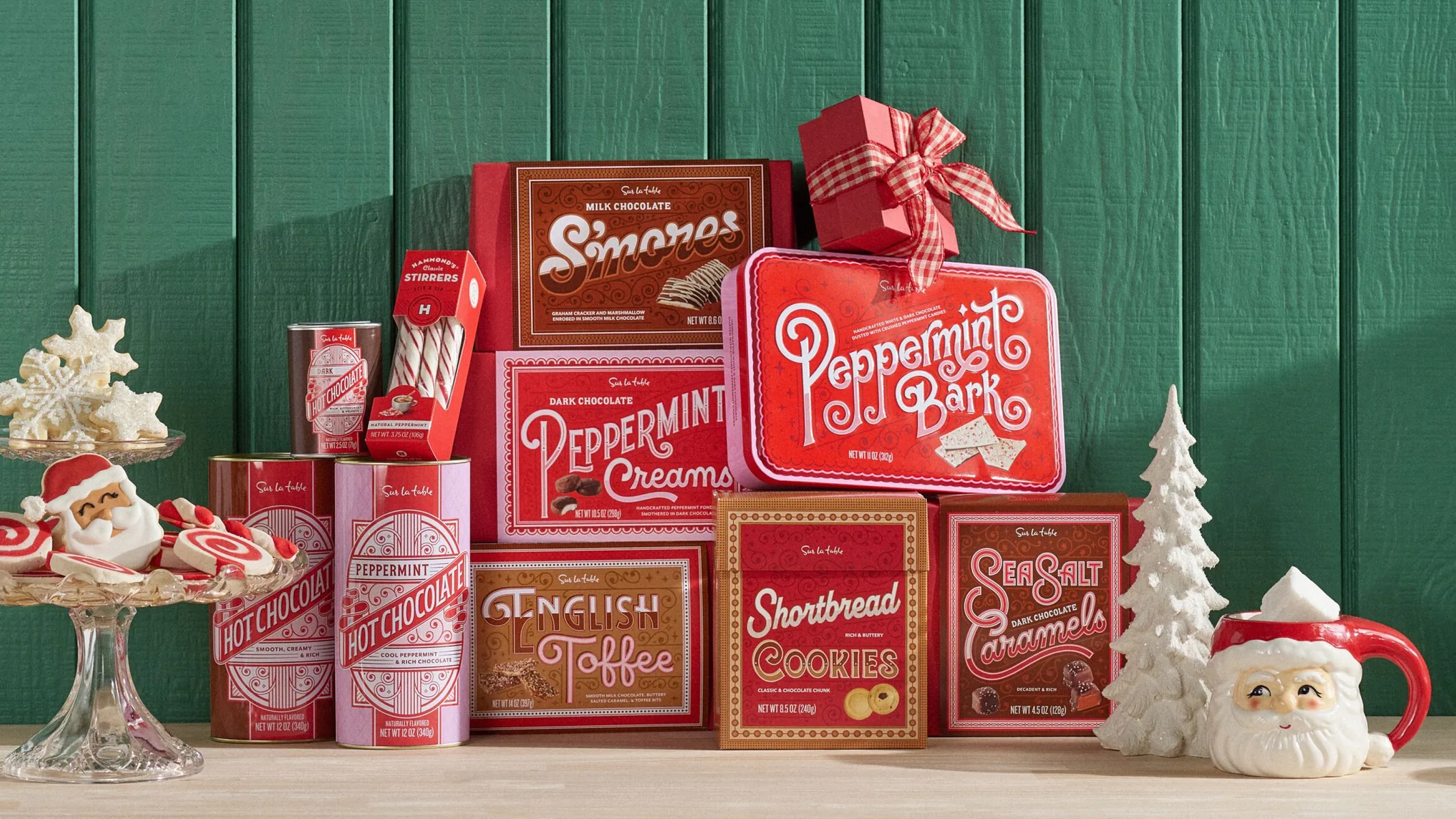
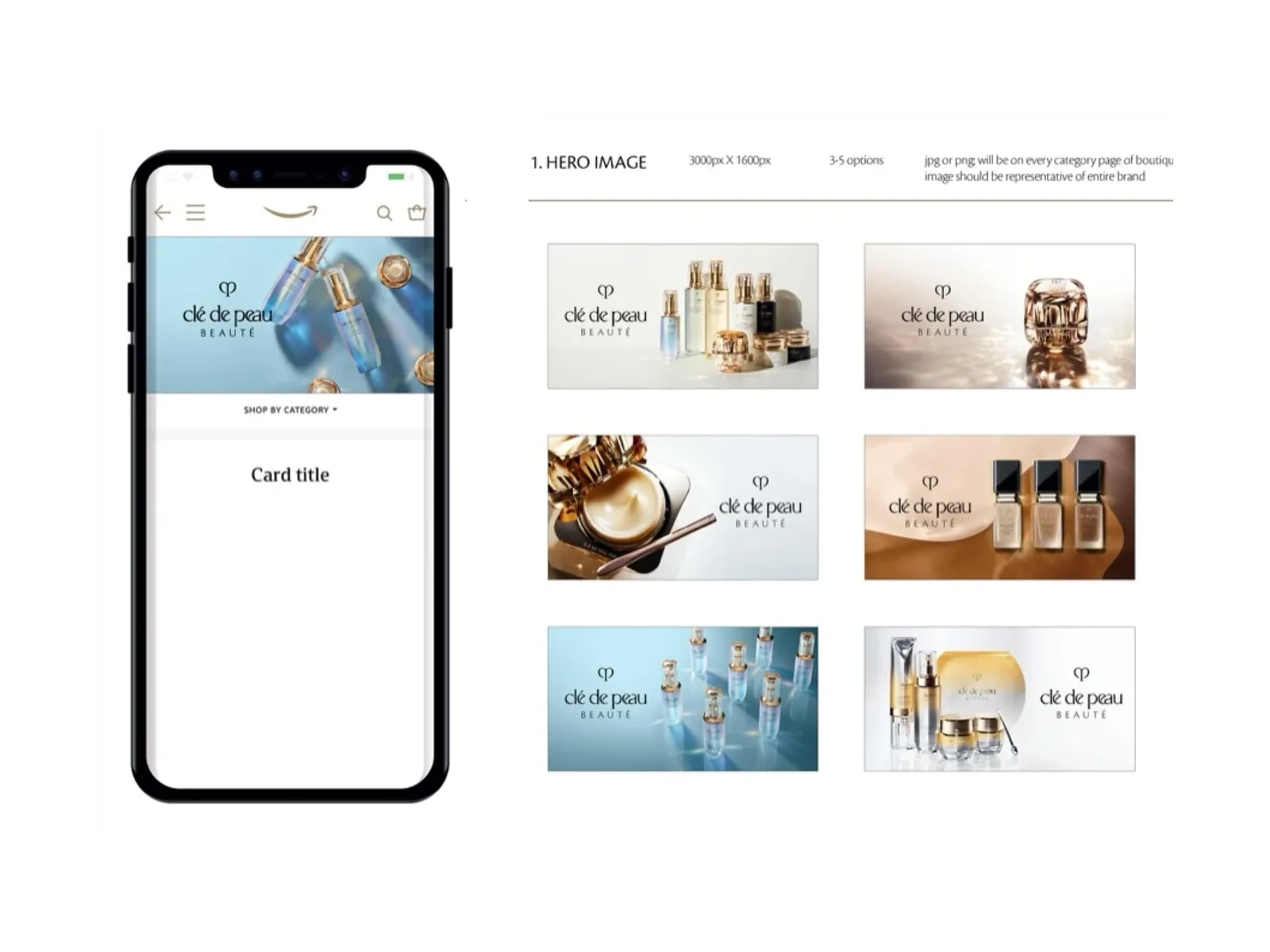
Culinary photography was the clearest single point of failure, so I cross-trained a second person into that workflow. Signage gained cross-coverage. Daily email production expanded past its original lane. At the September 2025 launch, the roster combined specialist ownership with deliberate overlap across print, digital, packaging, photography, and production support.
Redundancy is worth what it lets you hand over.
Covering an absence is the small version of the benefit. The larger one is that redundancy changes what can be assigned at all — specialist depth where the risk needs it, broader coverage where the volume needs it, rather than routing everyone through every campaign.
One team member moved from print precision into broader digital fluency, with a grade change recording it. Another took over photo-shoot negotiations that had previously required my direct involvement.
That second one is the fact I would point at. Delegation is easy to claim and hard to evidence; a specific recurring responsibility that used to sit with me and now sits with someone else is the version that can be checked.
Some of it I deliberately did not delegate, and did not automate.
This is also where I decide what stays manual. Automating with intent means the goal is a better human process, not a smaller one — and the monthly artboard CSV review and the QC pass are places where the human checkpoint is the substance of the work rather than overhead attached to it. Keeping them by hand is what keeps me paced with production and in contact with the people doing it.
The pattern is older than this team. In the packaging art-director years the group grew from three direct reports to five, with two to three more dotted-line. Redundancy scaled that group up; the same design is what lets a differently shaped one keep its map of how work moves.